WORLD OSTEOPOROSIS DAY 2026: NOFSA CALLS ON SOUTH AFRICANS TO BUILD, PROTECT AND STRENGTHEN THEIR BONES FOR LIFE
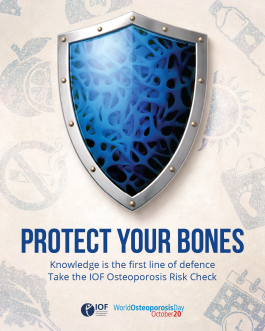
The National Osteoporosis Foundation of South Africa (NOFSA) is joining the global call for greater awareness, earlier detection and better prevention of osteoporosis and fragility fractures this World Osteoporosis Day, 20 October 2026.
Led internationally by the International Osteoporosis Foundation (IOF), World Osteoporosis Day brings together patients, healthcare professionals, medical societies and policymakers to draw attention to a disease that remains significantly underdiagnosed and undertreated.

Falls Risk and Prevention: Protecting Your Bones, Confidence and Independence
A fall can happen in seconds. The consequences, however, can last much longer.
For someone living with osteoporosis or reduced bone strength, what might seem like a relatively minor fall can result in a fracture, loss of mobility, time away from normal activities and, in some cases, a significant loss of independence.
That is why NOFSA’s September focus on falls risk and prevention is so important.
Falls are not simply an inevitable part of getting older. Many of the factors that contribute to falls can be identified and addressed, and relatively small changes to our health, habits and surroundings can make everyday movement safer. The World Health Organization recognises falls as a major global public-health concern, with older adults facing the greatest risk of serious injury
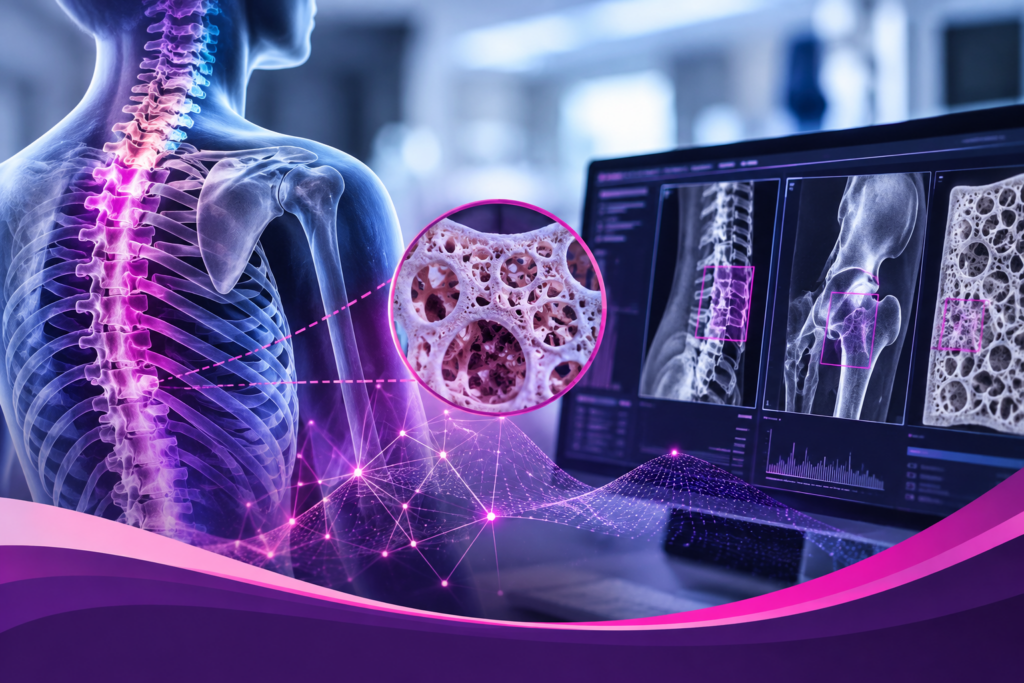
Breaking IT Down – How AI Is Changing the Way We Find and Prevent Broken Bones
Artificial intelligence is appearing everywhere — in our phones, workplaces, cars and even the way healthcare is delivered.
But what does AI actually have to do with osteoporosis and broken bones? Quite a lot, as it turns out.
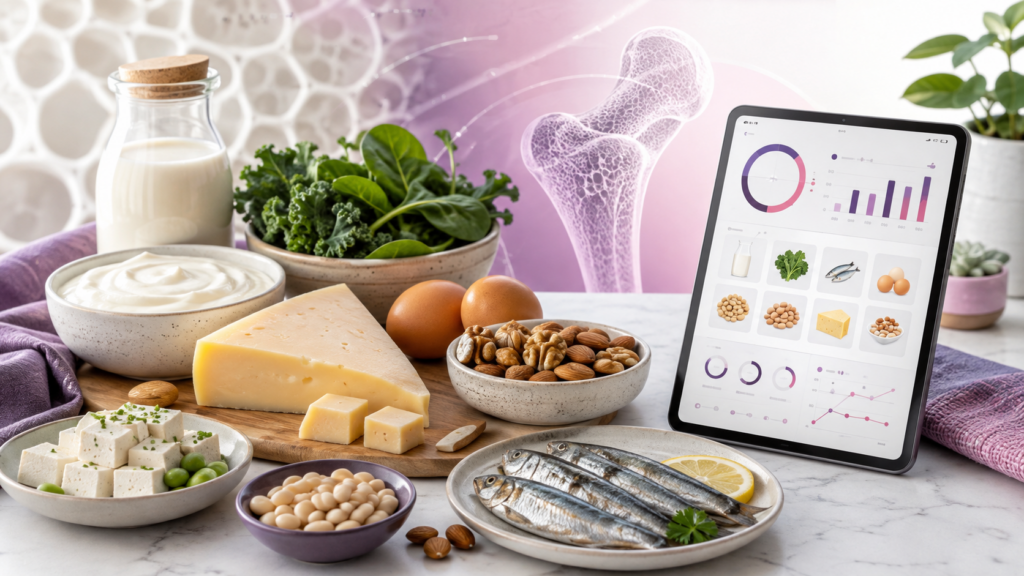
How Do I Know If I’m Getting Enough Calcium, Vitamin D, Protein and Other Bone-Supporting Nutrients?
When it comes to bone health, many people know that calcium matters. But calcium is only one part of the story. Strong bones need a combination of nutrients, including calcium, vitamin D, protein, magnesium and vitamin K. These nutrients work together to support bone strength, muscle function, balance, recovery and long-term mobility.
Where Are Our Age-Friendly Cities?
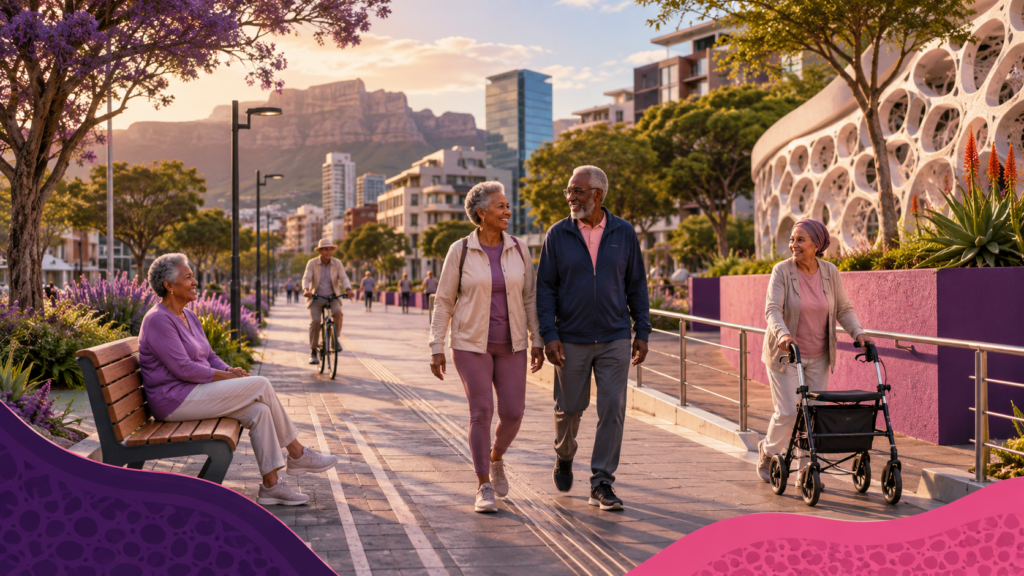
For many years, conversations around health, infrastructure, housing, transport, and community planning have focused mainly on children, youth, and working-age adults. These remain essential priorities, but there is another reality we can no longer ignore: more South Africans are growing older, and our communities must be ready to support them.
The Dairy Debate: Is Dairy Good or Bad for Bone Health?
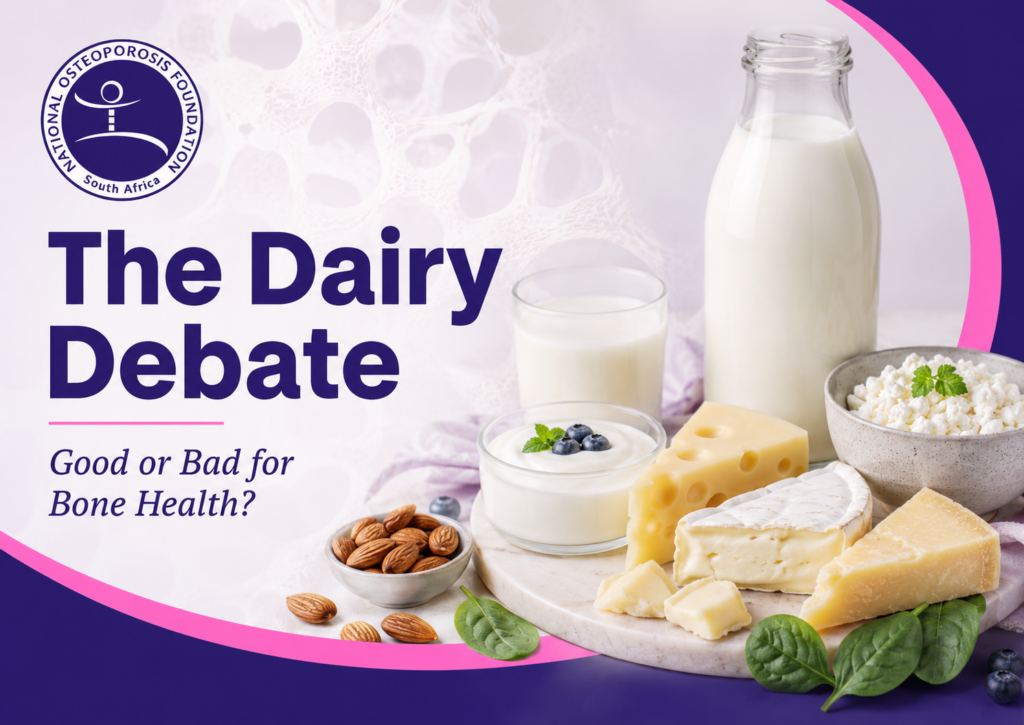
Dairy has long been linked to bone health. Many of us grew up hearing that milk builds strong bones, that cheese is good for calcium, and that yoghurt is a healthy choice for growing children.
But in recent years, the conversation has become more complicated.

Building Peak Bone Density in Kids and Teenagers: Why Bone Health Starts Early
While osteoporosis is most commonly diagnosed later in life, the foundation for strong bones is built much earlier — during childhood and adolescence.
Know Your Meds: Why Blind Trust Isn’t a Bone Health Strategy
When it comes to osteoporosis, the real problem isn’t just the disease — it’s how little people understand about the treatments designed to manage it.
If you don’t understand your medication, you’re not in control of your bone health.
The Impact of Weight-Loss Drugs on Bone and Muscle
In recent years, medications used for weight management — particularly GLP-1 receptor agonists such as semaglutide and similar treatments — have received significant attention. What impact do these medications have on muscle and bone health?
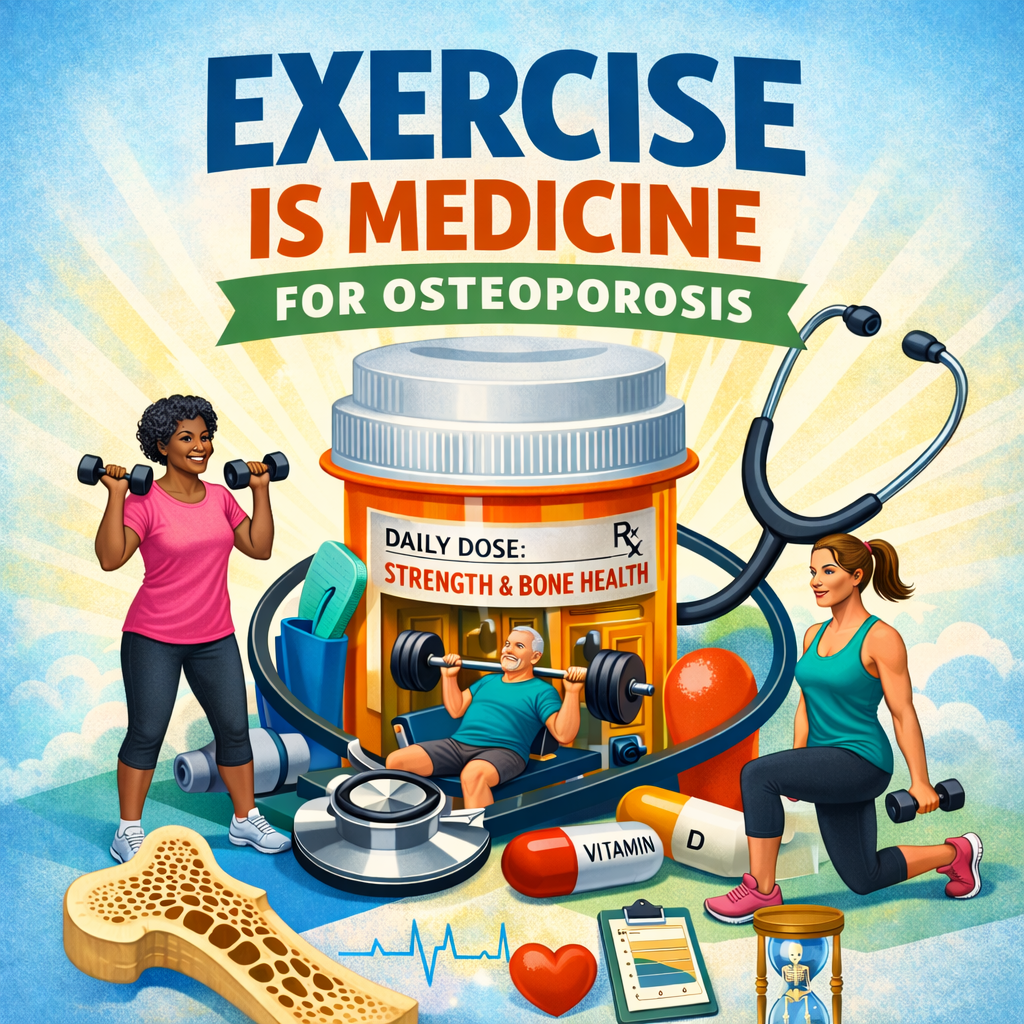
Exercise as Medicine: Why Movement Is Essential for Bone Health
When we hear the phrase “exercise is medicine,” we often think about heart health, weight management, or stress relief. But one of the most powerful...
Bone Health Matters: Osteoporosis and the WHO Decade of Healthy Ageing
The world is ageing faster than ever before. By 2030, one in six people globally will be aged 60 years or older, and by 2050 that number is expected...

Gender Modification and Bone Health: Understanding the Impact of Hormone Therapy on Bone Density
Gender-affirming healthcare is essential for the well-being of transgender and gender-diverse individuals. As more people access gender-affirming hormone therapy (GAHT), it becomes increasingly important to understand how these treatments affect long-term health — including bone density, a critical aspect of overall health and mobility.