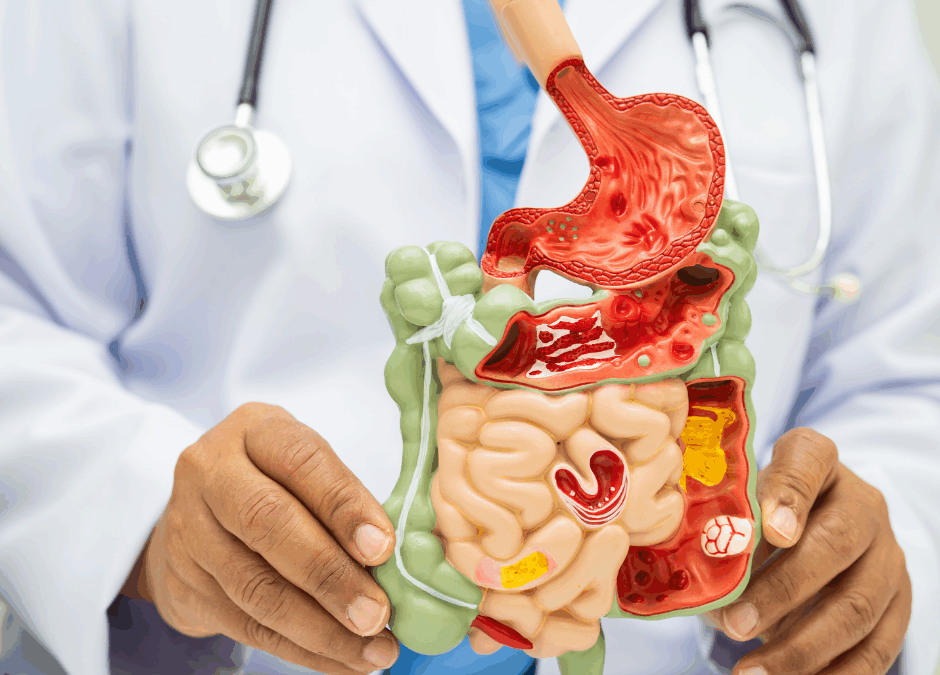
In recent years, science has begun to reveal how deeply interconnected the human body truly is. One of the most striking discoveries is the relationship between our gut health and the strength and integrity of our bones. The gut microbiome – the vast community of bacteria, fungi, and other micro-organisms living in the digestive tract – has been found to play a crucial role not only in digestion and immunity, but also in bone metabolism. In essence, maintaining a healthy gut may be one of the most effective ways to preserve strong bones and prevent conditions such as osteoporosis.
The Gut Microbiome: the body’s hidden regulator
The gut microbiome contains trillions of microbes that help regulate vital processes in the body. These micro-organisms interact continuously with the immune system, producing key nutrients and influencing hormone and neurotransmitter activity. When the gut is healthy, beneficial bacteria produce short-chain fatty acids by fermenting dietary fibres.
In this way, inflammation is reduced, maintaining the gut barrier, and influencing distant organs through the bloodstream. However, when the microbiome is disrupted through poor diet, antibiotics, stress, or illness – it can lead to systemic inflammation and reduced nutrient absorption, both of which can harm bone tissue.
Nutrient absorption and bone building
- Healthy bones depend on an adequate supply of calcium, magnesium, phosphorus, vitamin D, and vitamin K – all of which are influenced by the gut microbiome. The intestinal bacteria help break down and metabolise food, releasing minerals and vitamins for absorption. Certain gut microbes can even synthesize vitamin K2, a compound that directs calcium to bones and teeth rather than allowing it to accumulate in arteries.
- However, harmful bacteria can damage the intestinal lining, creating inflammation that impairs calcium uptake. Without sufficient calcium and vitamin D, the body may begin drawing calcium from bones to maintain blood levels, leading to gradual bone loss. Similarly, a microbiome that lacks bacteria capable of producing vitamin K2 may indirectly contribute to bone weakening over time.
The immune system and bone inflammation
Around 70% of the body’s immune cells reside in the gut. These immune cells communicate constantly with the microbiome, learning to distinguish between harmful invaders and harmless substances. When the gut is imbalanced, immune responses can become dysregulated, leading to chronic low-grade inflammation.
The danger is that this inflammation doesn’t remain confined to the gut – it can spread to the bone tissue. Inflammatory molecules can stimulate cells that break down bone while suppressing those that are necessary for building new bone. The result is a net loss of bone density and strength. This process is particularly significant in postmenopausal women, who already face hormonal changes that accelerate bone loss.
Hormones and the gut-bone connection
- Hormones are another piece of the puzzle. The gut microbiome influences levels of key hormones involved in bone metabolism, including estrogen and the parathyroid hormone. Estrogen, for instance, has protective effects on bone by balancing the activity between bone reduction and bone building. When estrogen levels drop – as occurs during menopause – the risk of bone loss rises dramatically.
- Certain gut bacteria can modulate estrogen metabolism by breaking down and recycling estrogen-like compounds. A healthy microbiome helps maintain more stable hormone levels, potentially buffering the effects of menopause on bone health. Conversely, a disrupted microbiome may lead to greater hormonal fluctuations and therefore increased bone fragility.
The role of diet and probiotics
Fibre: A diet rich in fibre from fruits, vegetables, legumes, and whole grains feeds beneficial gut bacteria and the production of fatty acids that influence bone cells directly, enhancing calcium absorption and reducing inflammation.
Fermented foods: Yoghurt, kefir, sauerkraut, and kimchi introduce live probiotics – beneficial bacteria that can help restore balance in the gut microbiome. Some studies suggest that specific probiotic strains, including Lactobacillus reuteri and Bifidobacterium longum, may reduce bone loss and even stimulate bone formation. Additionally, prebiotic fibres such as inulin and resistant starch provide nourishment for these probiotics, amplifying their positive effects.
Lifestyle factors: Regular physical activity supports both bone density and a healthy microbiome, while excessive alcohol, smoking, and high-sugar diets can damage both. Even stress management matters – chronic stress alters gut bacteria and triggers inflammatory responses that can impact bone health over time.
Looking ahead: integrative bone health
Caring for the microbiome through diet, lifestyle, and balanced living is not just about digestion – it’s a fundamental aspect of total-body wellness. Rather than focusing solely on calcium supplements or hormone therapies, future approaches may include personalised microbiome-based treatments. These could involve probiotic or prebiotic formulations tailored to each person’s gut composition, designed to optimise nutrient absorption, reduce inflammation, and stabilise hormone levels.
NOFSA (National Osteoporosis Foundation South Africa)
NOFSA is the only non-profit, voluntary health organisation dedicated to promoting lifelong bone health. We focus on reducing the widespread prevalence of osteoporosis while working to find a cure for the disease, and by supporting research and developing programmes of education and advocacy.
Find out more about our work at: www.osteoporosis.org.za
###


