
Nutrient calculator
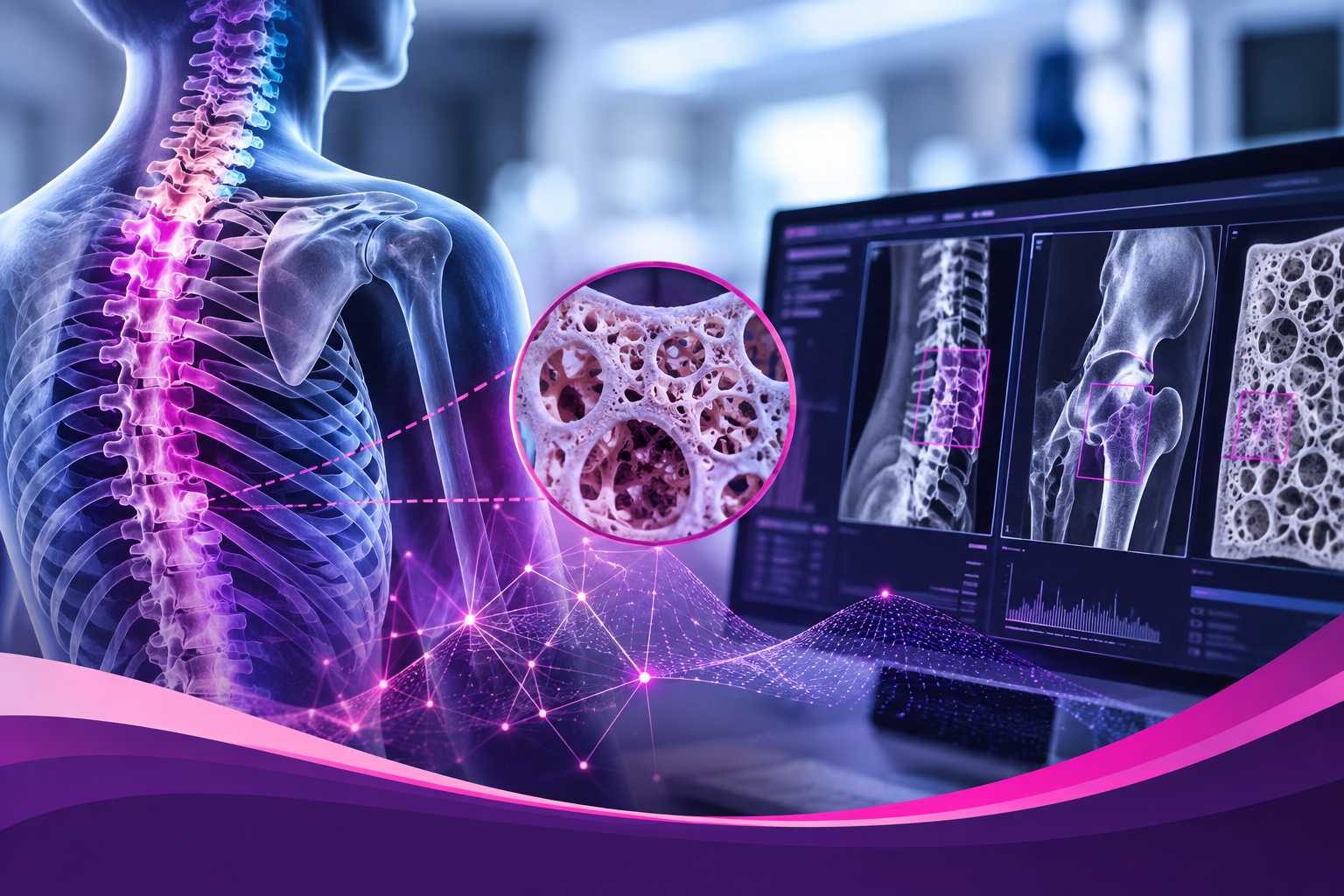
Breaking IT Down – How AI Is Changing the Way We Find and Prevent Broken Bones
Artificial intelligence is appearing everywhere — in our phones, workplaces, cars and even the way healthcare is delivered.
But what does AI actually have to do with osteoporosis and broken bones?
Quite a lot, as it turns out.
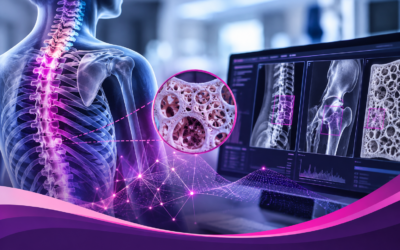
From helping identify fractures on X-rays to finding signs of osteoporosis on scans taken for completely different reasons, artificial intelligence is increasingly being studied as a tool that could help healthcare professionals spot problems earlier and make better use of the medical information already available.
This October, NOFSA is Breaking IT Down and looking at a question that may shape the future of bone health:
Can artificial intelligence help us find fragile bones before the next fracture happens?
Click on the image to read the blog.
NOFSA – National Osteoporosis Foundation of South Africa
Osteoporosis is a disease in which the density and quality of bones are reduced, leading to weakness of the skeleton and increased risk of fracture, particularly of the spine, wrists, hip, pelvis and upper arms. In many affected people, bone loss is gradual and without warning signs until the disease is advanced. It can result in extreme pain and in severe cases even death.
Osteoporosis is also known as “the silent crippler” because a person usually doesn’t know that they have it until it’s too late. Unfortunately, in many cases, the first real “symptom” is a broken bone. In South Africa, 1 in 3 women and 1 in 5 men will possibly develop this disease within their lifetime – which means potentially between 4 and 6 million South Africans suffer from Osteoporosis.
There are many misconceptions about osteoporosis, for example that it is “an old woman’s disease”. In fact, bone loss in women can begin as early as the age of 25. Furthermore, new studies have shown the prevalence of osteoporosis in men is higher than previously thought with approximately one in five men affected.

IOF Global Patient Charter
Osteoporosis remains severely underdiagnosed and undertreated!
Sponsors and Licensees
Thank you to all our sponsors and licensees for their commitment to bone health.

Risk, prevention and diagnosis
Donate to the National Osteoporosis Foundation of South Africa
Patient Stories


Latest Blogs



Our Sponsors