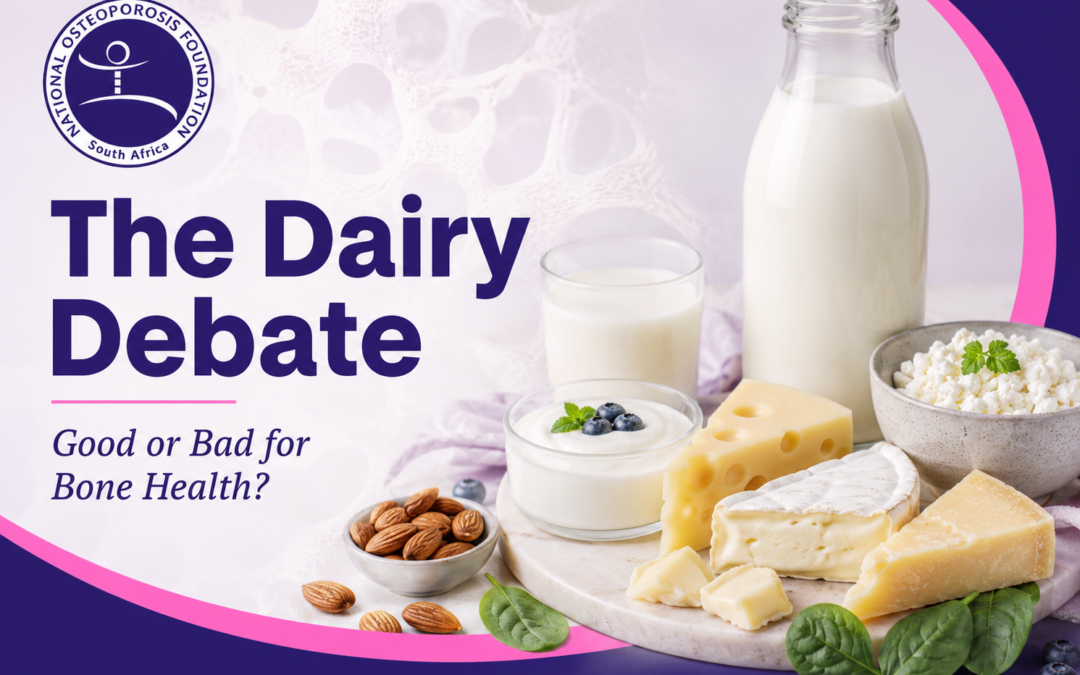
Dairy has long been linked to bone health. Many of us grew up hearing that milk builds strong bones, that cheese is good for calcium, and that yoghurt is a healthy choice for growing children.
But in recent years, the conversation has become more complicated.
Some people avoid dairy because of lactose intolerance, allergies, ethical choices, environmental concerns, personal preference, or because they have heard that dairy may not be as essential as once believed.
So, where does that leave us? Dairy can be a valuable source of nutrients that support bone health, but it is not the only way to care for your bones.
Why dairy became linked to strong bones
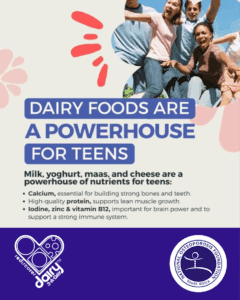
Dairy products such as milk, yoghurt, and cheese are naturally rich in calcium, one of the key minerals needed to build and maintain bones. Dairy also provides protein and other nutrients that contribute to muscle and bone health. The International Osteoporosis Foundation notes that milk and dairy products are among the most readily available sources of calcium and also provide protein and other micronutrients important for bone health.
Calcium matters because about 99% of the body’s calcium is stored in the bones and teeth. The body also needs calcium for muscle contraction, blood clotting, nerve function, and heart rhythm. When calcium intake is too low over time, the body may draw calcium from the bones to maintain these essential functions.
For children and teenagers, adequate calcium intake helps support the development of peak bone mass. For adults and older people, calcium remains important for maintaining bone strength and slowing bone loss.
But is dairy the magic bullet to prevent osteoporosis?
This is where the debate begins.
Dairy contains nutrients that support bone health, but drinking milk or eating cheese does not automatically prevent osteoporosis. Bone health is influenced by many factors, including genetics, hormones, age, physical activity, vitamin D status, body weight, smoking, alcohol use, medical conditions, certain medications, and fall risk.
In other words, dairy may be part of a bone-healthy lifestyle, but it cannot do the job alone.
Harvard’s Nutrition Source notes that getting enough dietary calcium may help slow bone loss, but calcium intake at any level is not known to completely prevent bone loss.
That distinction matters. Calcium is important, but bone health is built through a combination of nutrients, movement, lifestyle habits, and appropriate screening or treatment when needed.
What if you do not consume dairy?
Not everyone can or wants to eat dairy, and that is okay.
Some people are lactose intolerant. Others have milk protein allergies, follow a vegan diet, dislike dairy, or choose to limit it. For these individuals, the goal is not to force dairy into the diet. The goal is to make sure bone-supporting nutrients are still being met.
Non-dairy calcium sources may include:
- Calcium-fortified plant-based milks
- Calcium-set tofu
- Leafy green vegetables
- Almonds and seeds
- Beans and lentils
- Canned fish with edible bones, such as sardines or pilchards
- Fortified cereals or other fortified foods
It is important to read labels, especially on plant-based milks. Not all alternatives contain the same amount of calcium, and some are not fortified. The Royal Osteoporosis Society notes that many dairy-free products, such as calcium-set tofu and plant-based milks, may be fortified with calcium, but labels should be checked to confirm how much calcium has been added.
The lactose intolerance question
For people with lactose intolerance, dairy can cause digestive discomfort such as bloating, cramps, gas, or diarrhoea. This can lead people to avoid dairy completely, which may reduce calcium intake if other sources are not included.
However, lactose intolerance does not always mean every dairy product must be avoided. Some people tolerate yoghurt, hard cheeses, lactose-free milk, or smaller portions better than regular milk.
A review on lactose intolerance and bone health notes that avoiding dairy without replacing calcium and vitamin D may contribute to poorer bone outcomes in some individuals.
The key is personalised guidance. People who avoid dairy should speak to a healthcare provider or dietitian about meeting calcium, vitamin D, and protein needs in other ways.
Dairy and protein: an overlooked benefit
Bone health is not only about calcium.
Protein is essential for muscle strength, repair, growth, and healthy ageing. This matters because muscle and bone work together. Strong muscles support balance, posture, mobility, and fall prevention — all important in reducing fracture risk.
Dairy products such as milk, yoghurt, and cheese can contribute to daily protein intake. For older adults, this may be especially helpful, as protein needs often become more important for maintaining muscle mass and preventing frailty.
That said, protein can also come from many non-dairy foods, including eggs, fish, chicken, legumes, nuts, seeds, soy foods, and lean meats.
The bigger picture: bone health is a lifestyle
The dairy debate can distract from a more important message: bone health is not built by one food group alone.
Whether you include dairy or not, strong bones need:
Calcium
From dairy or non-dairy sources.
Vitamin D
To help the body absorb calcium. Vitamin D may come from sunlight exposure, foods, or supplements when recommended. The NIH notes that vitamin D deficiency risk may be higher in people with milk allergy, lactose intolerance, or vegan diets if intake is low.
Protein
To support muscles, bones, strength, and recovery.
Weight-bearing and strength exercise
Movement stimulates bone and helps preserve muscle.
Healthy lifestyle habits
Avoid smoking, limit alcohol, manage chronic conditions, and discuss medication risks with a healthcare professional.
Screening and risk awareness
Especially for people with risk factors such as menopause, previous fractures, family history, low body weight, long-term steroid use, or chronic illness.
So, is dairy good or bad?
For many people, it’s a convenient and nutrient-rich way to support bone health.
But dairy is not the only path to strong bones.
A better question may be:
Are you getting the nutrients your bones need — in a way that works for your body, your health, and your lifestyle?
For most, the answer may include milk, yoghurt, and cheese.
For others, it may include fortified plant-based alternatives, leafy greens, tofu, fish, nuts, seeds, and carefully planned meals.
The ultimate goal is to protect bone health.
Final takeaway
Dairy can support bone health, but it is not a miracle solution. Avoiding dairy can also be perfectly workable, as long as calcium, vitamin D, protein, and other nutrients are replaced appropriately.
Bone health is about balance, consistency, and informed choices.
Whether dairy is part of your diet or not, your bones need daily support — through good nutrition, regular movement, healthy lifestyle habits, and proper medical guidance when needed.
Strong bones are not built by one food alone. They are built by the choices we repeat every day