When it comes to bone health, many people know that calcium matters. But calcium is only one part of the story. Strong bones need a combination of nutrients, including calcium, vitamin D, protein, magnesium and vitamin K. These nutrients work together to support bone strength, muscle function, balance, recovery and long-term mobility.
The challenge is that most people do not know exactly how much they are getting each day. You may think you are eating well, but are you consistently meeting your bone-health needs? Are you getting enough protein? Is your calcium intake spread through your diet? Are you relying on supplements when your diet may already be providing enough — or not enough?
This is where awareness becomes powerful.
Bone Health Starts with What You Do Every Day
Bones are living tissue. They are constantly being renewed, repaired and influenced by the way we live. Your food choices, activity levels, sunlight exposure, medical history, medication use and age can all affect bone health. Nutrition is not the only factor, but it is an important one — and it is one of the areas where daily habits can make a difference.
For people living with osteoporosis, at risk of osteoporosis, or simply wanting to age with strength and confidence, knowing your nutrient intake can help you ask better questions and make more informed choices.
The Key Nutrients Your Bones Need
Calcium
Calcium is one of the main building blocks of bone. If your diet is consistently low in calcium, your body may not have enough of this important mineral available to support bone maintenance.
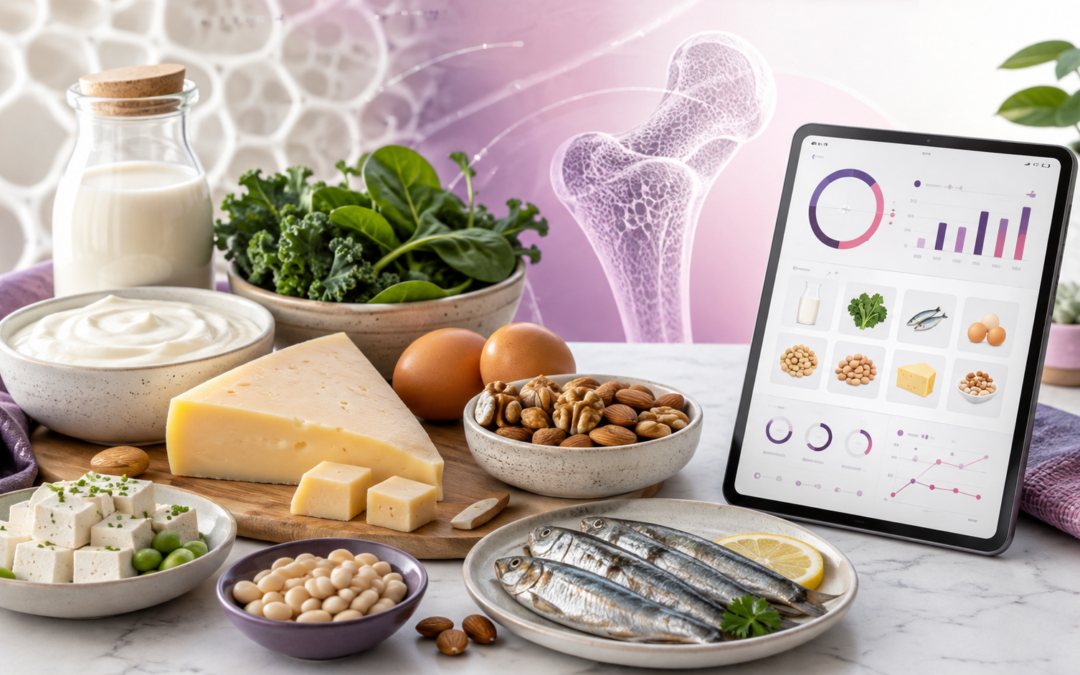
Calcium can come from dairy foods such as milk, yoghurt and cheese, but also from other sources such as calcium-fortified plant-based drinks, calcium-set tofu, leafy greens, almonds, seeds, beans and canned fish with edible bones.
Vitamin D
Vitamin D helps the body absorb calcium and plays an important role in bone and muscle health. Some vitamin D can be made through sunlight exposure, but levels can vary depending on age, skin tone, season, lifestyle, sunscreen use and medical factors. A healthcare provider may recommend testing or supplementation where needed.
Protein
Protein is essential for maintaining muscle strength, and muscles help support bones, balance and movement. This matters especially during ageing, recovery after illness, rapid weight loss, or periods of reduced activity. Protein-rich foods may include eggs, fish, chicken, lean meat, dairy, legumes, beans, lentils, nuts, seeds, tofu and other plant-based options.
Magnesium and Vitamin K
Magnesium and vitamin K also form part of the broader bone-health picture. These nutrients are found in a variety of foods, including vegetables, whole grains, legumes, nuts and seeds. Bone health is not built by one nutrient alone. It is built through a consistent, balanced pattern of eating and living.
But How Do You Know If You’re Getting Enough?
This is the question many people struggle with. It is easy to know what you ate today. It is harder to know whether those meals added up to enough calcium, vitamin D, protein and other nutrients for your needs.
That is why a nutrient tracking tool can be helpful.
Try the Nutrient Calculator
The Nutrient Calculator, developed by Osteoporosis Canada, is available on the Google Play Store and can help users track whether they are getting enough key bone-building nutrients.
The calculator is designed to help you track daily intake of nutrients such as:
- Calcium
- Vitamin D
- Protein
- Magnesium
- Vitamin K
By entering the foods you eat, you can get a clearer idea of whether your daily intake is supporting your bone-health goals.
This can be especially useful if you:
- Have been diagnosed with osteoporosis
- Are at risk of osteoporosis
- Are unsure whether your diet contains enough calcium or protein
- Avoid dairy or follow a plant-based diet
- Are recovering after illness, surgery or a fracture
- Are trying to support healthy ageing
- Want to have a more informed conversation with your healthcare provider
A Tool for Awareness, Not a Replacement for Medical Advice
The Nutrient Calculator is a helpful awareness tool, but it does not replace professional medical or dietetic guidance. Your needs may differ depending on your age, medical history, medication, kidney health, fracture history, digestive conditions, weight, activity level and other risk factors. If you are concerned about your nutrient intake, speak to your doctor, dietitian or healthcare provider before making major changes or starting supplements. This is especially important if you are already taking osteoporosis medication or other chronic medication.
Food First Where Possible
For many people, the best starting point is to look at food choices first. A varied, nutrient-rich diet can help support bone and muscle health while also providing other important benefits for the body. Simple ways to improve bone-supporting nutrition may include:
- Adding a calcium-rich food to meals or snacks
- Including protein at each meal
- Choosing fortified foods where appropriate
- Eating a variety of vegetables, legumes, nuts and seeds
- Checking food labels for calcium, vitamin D and protein content
- Asking a healthcare provider whether vitamin D testing is needed
Supplements may be useful for some people, but they should be used thoughtfully and with guidance.
Small Daily Choices Add Up
Bone health is not about perfection. It is about awareness, consistency and making informed choices over time. Tracking your nutrient intake for a few days can help you notice patterns. You may discover that you are getting enough of one nutrient but falling short on another. You may realise that small changes — such as adding yoghurt, fortified milk, tofu, eggs, fish, beans, nuts or seeds — can help close the gap.
The more you understand your intake, the more confidently you can support your bones.
Take the Next Step
If you have ever wondered, “Am I getting enough calcium, vitamin D, protein and other nutrients for my bones?” the Nutrient Calculator is a practical place to start. Download the Nutrient Calculator by Osteoporosis Canada from the Google Play Store and use it to better understand your daily bone-health nutrition. Because stronger bones begin with informed choices — and sometimes the first step is simply knowing where you stand.