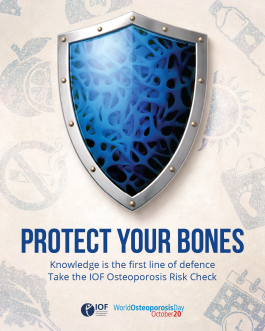
The National Osteoporosis Foundation of South Africa (NOFSA) is joining the global call for greater awareness, earlier detection and better prevention of osteoporosis and fragility fractures this World Osteoporosis Day, 20 October 2026.
Led internationally by the International Osteoporosis Foundation (IOF), World Osteoporosis Day brings together patients, healthcare professionals, medical societies and policymakers to draw attention to a disease that remains significantly underdiagnosed and undertreated.
This year’s campaign theme, “Build, Protect and Strengthen Your Bones for Life,” highlights the importance of bone health throughout the lifespan — from developing strong bones during childhood and adolescence to protecting bone strength and preventing fractures later in life.
Worldwide, osteoporosis affects more than 500 million people, with one in three women and one in five men aged 50 and older expected to sustain an osteoporotic fracture during their remaining lifetime. Despite the impact of these fractures on pain, mobility, independence and quality of life, the campaign toolkit reports that up to 80% of patients who experience an osteoporotic fracture are neither identified nor treated for the underlying osteoporosis.
NOFSA CEO Teréza Hough says the challenge is not simply treating a broken bone, but recognising what the fracture may be telling us.
“Too often, the fracture is repaired and the underlying reason for that fracture is never investigated. A broken bone after a minor fall, particularly later in life, should prompt us to ask whether osteoporosis could be involved. We need to move from simply treating fractures to identifying risk earlier, supporting appropriate diagnosis and treatment, and doing everything possible to prevent the next fracture.”
Hough adds that the 2026 theme is particularly important because bone health is not something that begins only when people reach older age.
“We build our bone health across a lifetime. The habits established in childhood and adolescence matter, but it is never too late to take action. Good nutrition, appropriate exercise, knowing your personal risk factors, preventing falls and seeking professional guidance where necessary can all form part of protecting our mobility and independence as we age.”
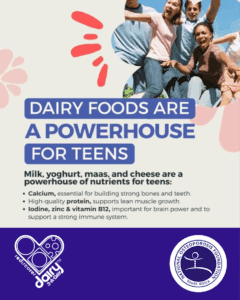
The campaign notes that up to 90% of peak bone mass is achieved by approximately age 18 in girls and age 20 in boys, reinforcing the importance of adequate nutrition, physical activity and healthy lifestyle habits from an early age.
For adults, prevention means understanding personal risk, recognising warning signs and discussing bone-health assessment with a healthcare provider where appropriate. The toolkit also highlights weight-bearing and muscle-strengthening exercise, sufficient calcium and protein, avoiding smoking and excessive alcohol consumption, maintaining a healthy body weight and reducing falls risk as important components of bone-health protection.
A fracture should trigger further investigation
NOFSA is particularly encouraging people over the age of 50 who experience a fracture following a minor fall to ask whether they should be assessed for osteoporosis.
A previous fragility fracture substantially increases the risk of another fracture, with this risk especially elevated during the first one to two years following the initial fracture. Timely assessment and intervention therefore provide an important opportunity for secondary fracture prevention.
Fracture Liaison Services (FLS) play an important role in this process by coordinating osteoporosis assessment, treatment and follow-up for people who have experienced fragility fractures. The IOF campaign calls for broader implementation of these coordinated post-fracture services, noting their role in reducing subsequent fractures and improving patient outcomes and quality of life.
“Every fragility fracture is an opportunity to intervene,” says Hough. “If we identify osteoporosis, initiate appropriate treatment and support the patient with nutrition, exercise and falls-prevention strategies, we have an opportunity to change what happens next.”
Build. Protect. Strengthen.
NOFSA is encouraging South Africans to use World Osteoporosis Day as a reminder to take action at every stage of life:
Build strong bones through nutrition, physical activity and healthy lifestyle choices. Protect your bones by understanding osteoporosis risk, addressing falls risk and seeking appropriate screening. Strengthen your bones after diagnosis or fracture through treatment, appropriate exercise, nutrition, follow-up and ongoing support.
The international campaign is also encouraging people to participate in #MoveForYourBones throughout October by walking, running, climbing stairs, doing resistance exercise or finding other appropriate ways to keep bones and muscles. NOFSA will be hosting their Annual Rattle Them Bones Fun 5km Run/Walk on 7 November at Groot Constantia, marking the 10th anniversary of this event.
As World Osteoporosis Day approaches, NOFSA’s message is clear: Don’t wait for a broken bone to start thinking about bone health. Build it. Protect it. Strengthen it — for life.
For further information on osteoporosis, risk factors, patient support and bone health, visit www.osteoporosis.org.za.
Media enquiries: [email protected]
National Osteoporosis Foundation of South Africa (NOFSA)
www.osteoporosis.org.za